The REVIVE Project
A message from 2026, sent into orbit.
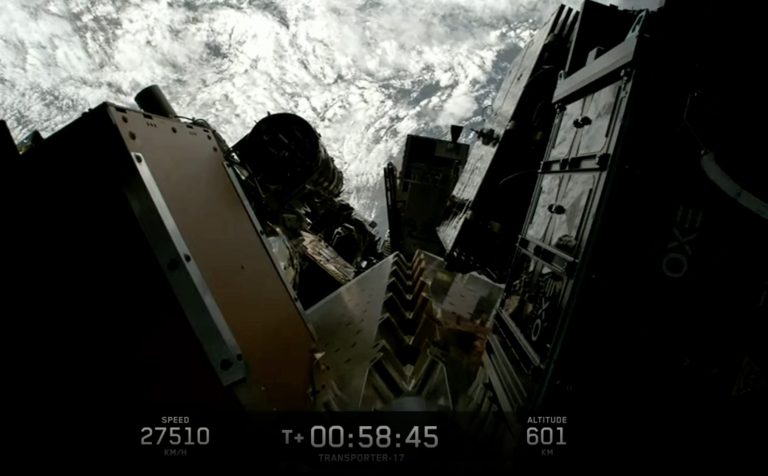
In July 2026, The Spring Institute will launch a handwritten letter and prairie flower seeds
into space aboard Tumbleweed's Oasis Alpha satellite.
REVIVE began as a scientific mission to send a living micro-vernal pool into space, studying how ecosystems respond to microgravity.
When a container leak was discovered ahead of the vibration test, the team faced a choice: stand down, or find another way. Sending water safely into orbit, on top of a rocket packed with sensitive electronics, leaves no margin for error.
The team chose to find another way.
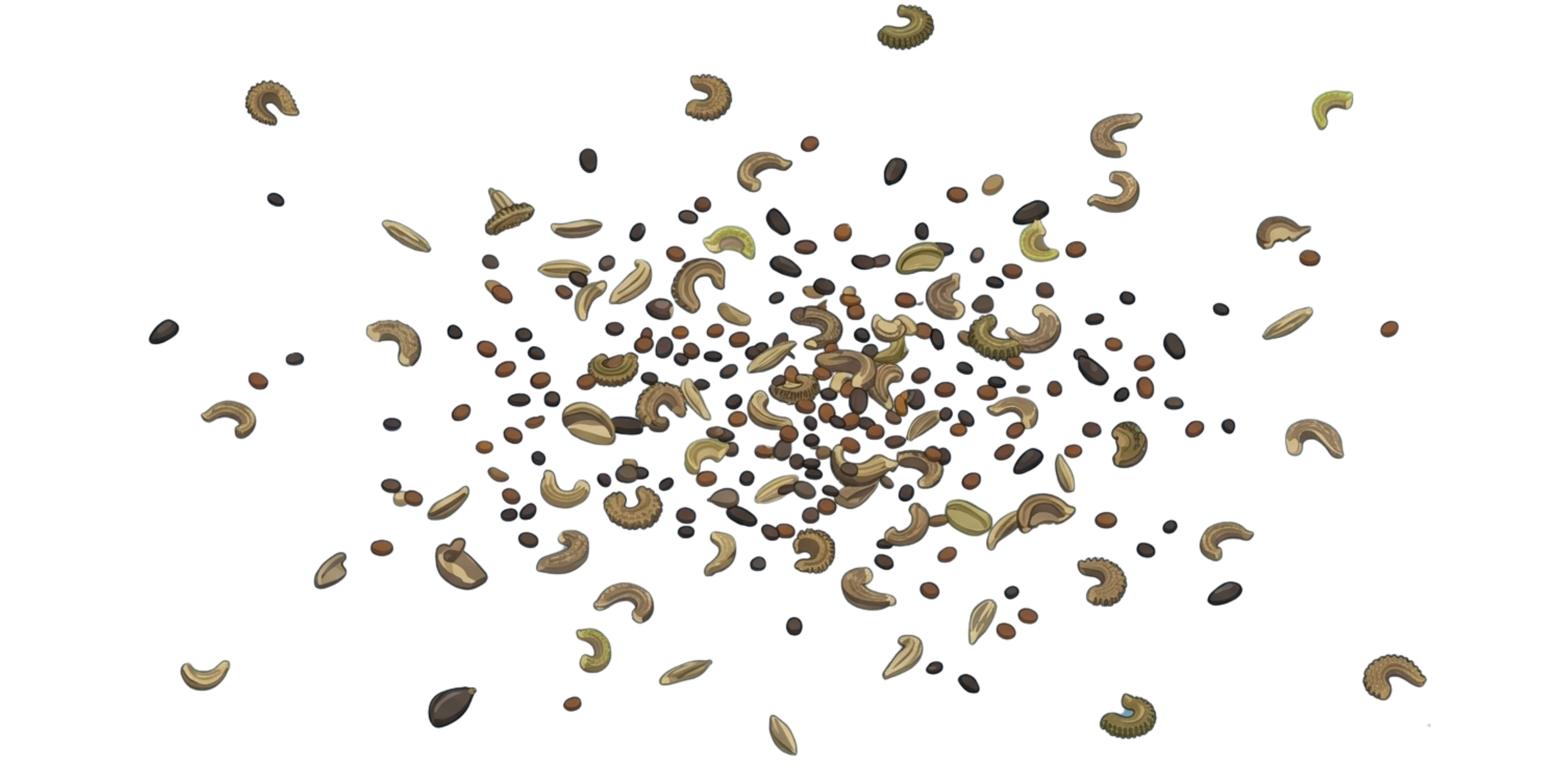
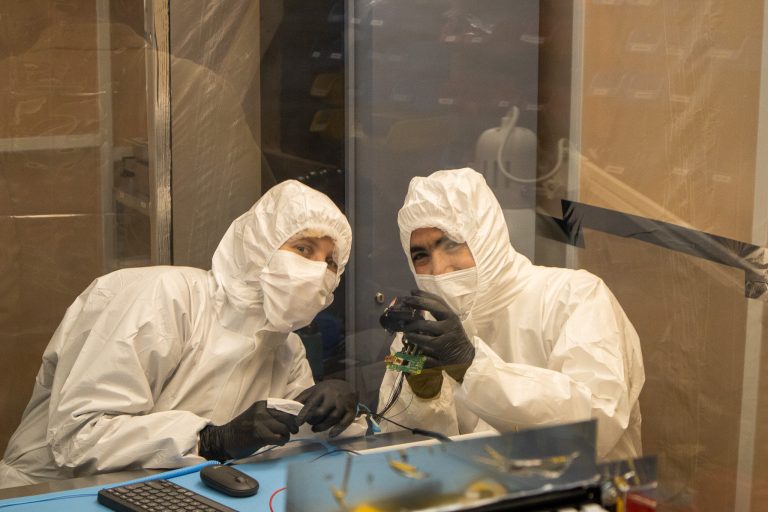
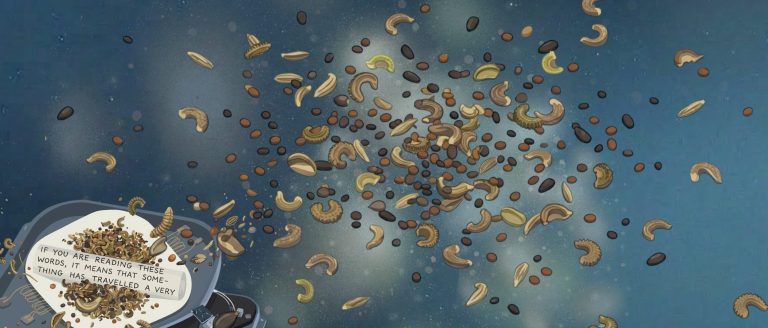
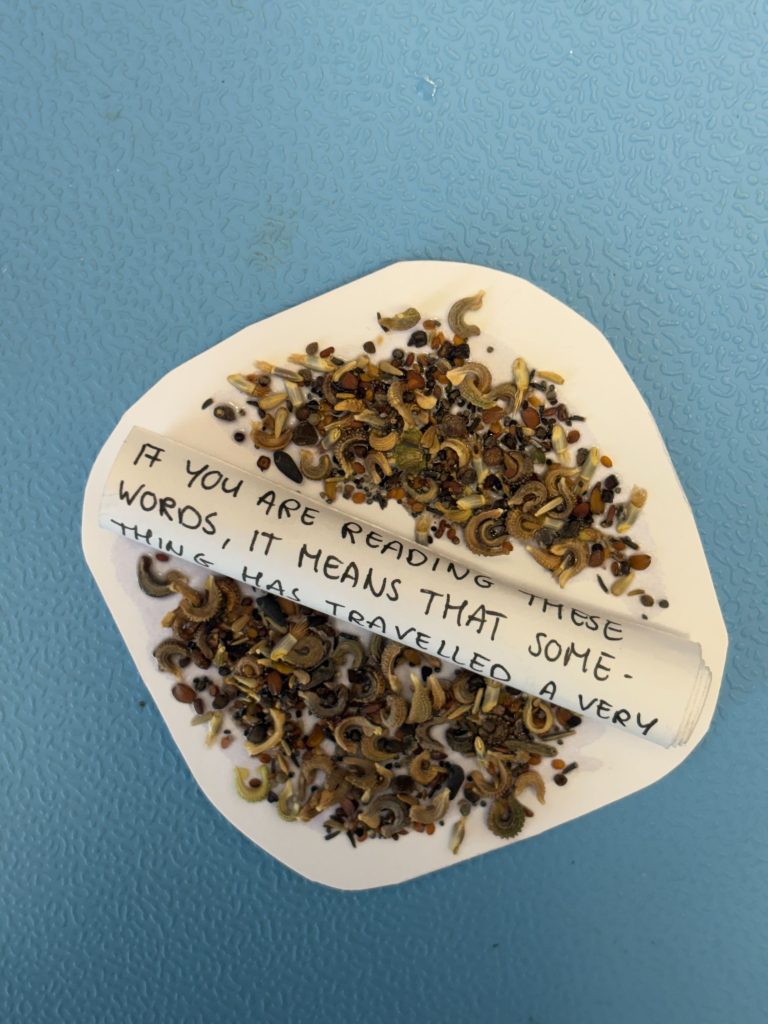
With the help of resident artist Mélodie Le Corre, the mission was reimagined. The pod now carries prairie flower seeds, held in place by a release mechanism designed to let them float freely in zero gravity. A letter will travel alongside them, and after several months in orbit, the pod will be retrieved and returned to Earth.
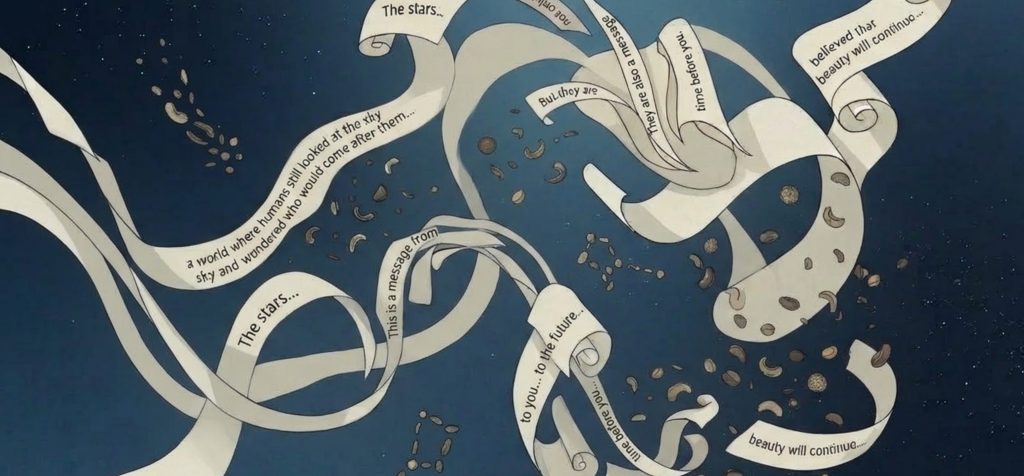
The letter is addressed to everyone and no one; for whomever might one day find it.
It was written in simple words, so that children can read it too.
"If you are reading these words, it means that something has travelled a very long time to meet you. This object comes from the year 2026, from a world where humans still looked at the sky and wondered who would come after them. Inside, you will find seeds. They are tiny — almost like dust. But they are not only plants. They are also a message from the past: someone, a very long time before you, believed that beauty could continue…"
The artwork draws on Kazuo Umezu's The Drifting Classroom, a work that goes far beyond its medium. In the story, a group of children are suddenly thrown into a desolate, distant future, while their parents remain in the present trying to reach them. Slowly, against all odds, they convince the government to send a satellite carrying seeds, a last act of hope, aimed at a future they cannot see.
This project is a tribute to that belief: that it is worth sending something into the unknown, even if it's just for a moment, suspended among the stars.
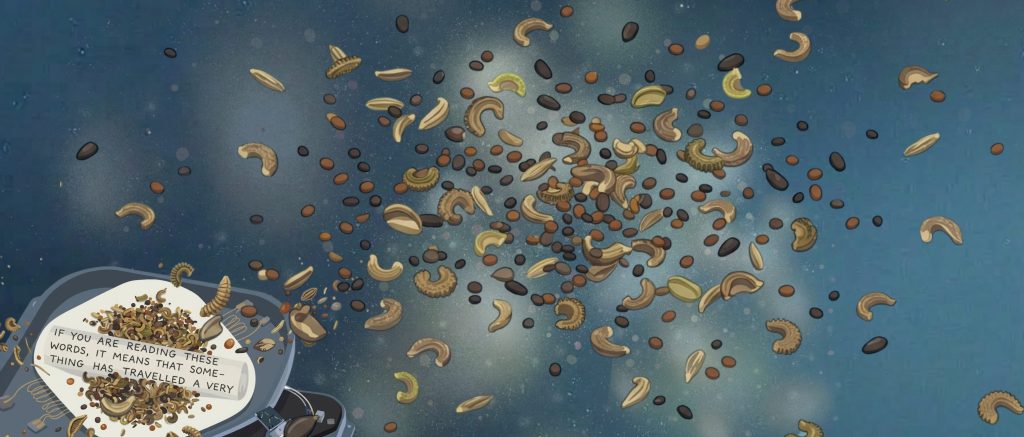
Prairie flower seeds were chosen for the same reason they survive in the wild: they ask very little of the world. They grow in poor soils, dry ground, and are unusually sturdy!
They are also a quiet echo of the original REVIVE mission, which set out to send resilient life into space, organisms capable of surviving the harshest conditions we know of. The seeds carry that same idea forward, in a different form.
In the letter, they are described simply: "They represent something simple: the freedom of nature, of which we are a part."
Mélodie Le Corre is a French visual artist based in Japan since 2018, working at the intersection of visual arts, immersive technologies, and ecological research. Trained at the École des Beaux-Arts de Quimper, she developed a particular sensitivity to spatial staging and installation.
Her current research focuses on the fragility of life in hostile environments, moving between bird ecosystems on Earth and the imagined landscapes of future lunar stations. Through these contrasting territories, she investigates the conditions of adaptation and survival, and what it means to inhabit the world, here as well as elsewhere.
REVIVE is made possible through a partnership with Tumbleweed Microgravity and Delft University of Technology.
Tumbleweed's standardised Pod modules allow multiple experiments to share a single flight, reducing the environmental impact and financial barriers of space research, giving projects like REVIVE a path to orbit that wouldn't otherwise exist.
Delft University of Technology is one of Europe's leading technical universities and a long-standing partner of The Spring Institute, bringing expertise in space systems and payload engineering to the mission.
The Spring Institute's next mission is SCAMPI. A self-contained aquatic ecosystem of shrimp, algae, and microbial life, heading to the International Space Station later in 2026. Supported by ESA Academy, SCAMPI has cleared multiple qualification milestones, including vibration testing, and will spend 90 days aboard the ISS studying how closed ecosystems survive and function in microgravity. It brings the science that inspired REVIVE one step closer to space.