For those at the cutting edge of science and technology, progress is measured and shared via peer-reviewed publications. The Spring Institute is committed to making our work accessible to all through open-source and open science publishing options whenever possible. If you are unable to access any of these manuscripts, please send us a note through our contact form and we will be happy to send you a copy.
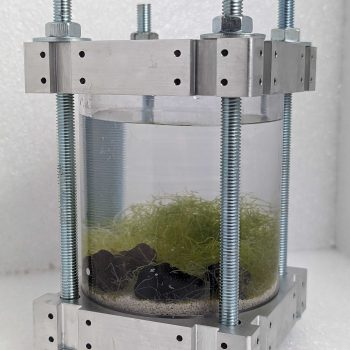
Confirming that nitrogen cycling works as expected in micro-gravity by sending a self-sustaining shrimp aquarium to the International Space Station for a period and conducting genetic metabarcoding analyses on the microbial consortium.
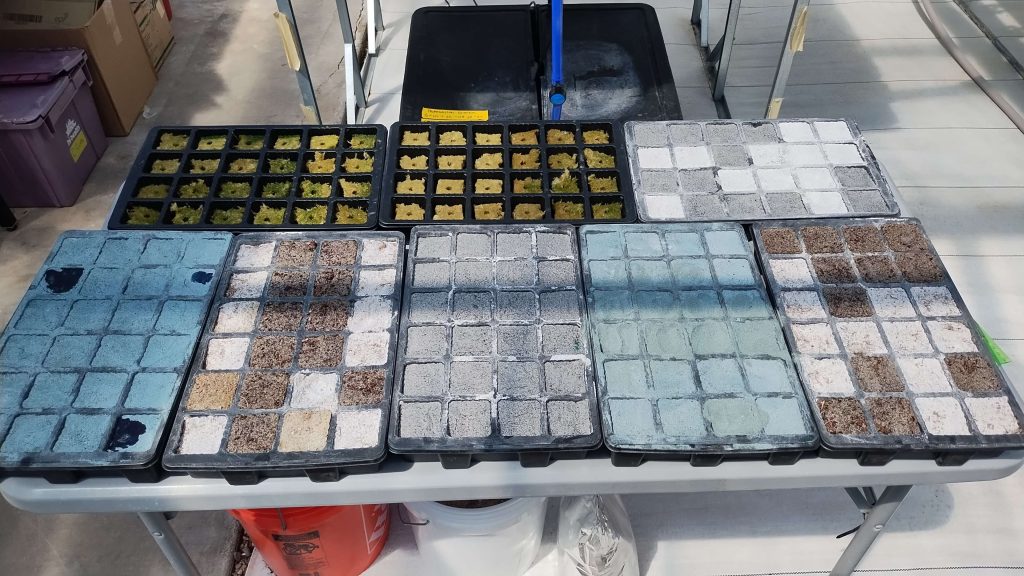
Soil is a living matrix that anchors most ecosystems and ecosystem services on Earth. Being able to convert inert lunar dust (regolith) into soil enables a whole host of biological solutions for life support, such as agriculture, air filtration, waste recycling, and more.
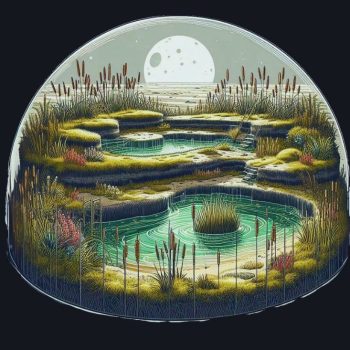
Closing the food and waste loops by recycling sewage back into edible plants via an artificial wetland system.
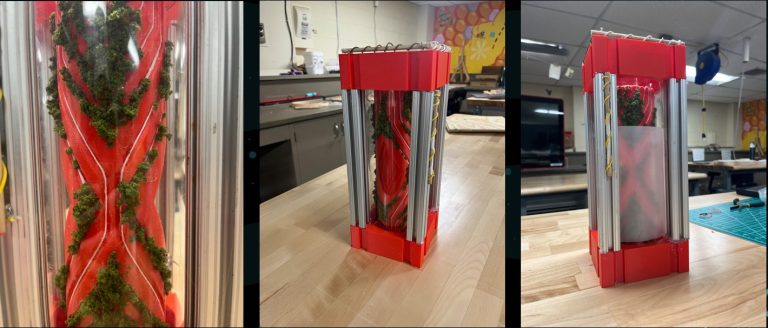
An in-development mission to send a low-technology, self-sustaining terrarium into low-earth orbit to demonstrate the use of the greenhouse effect for growing plants in space.
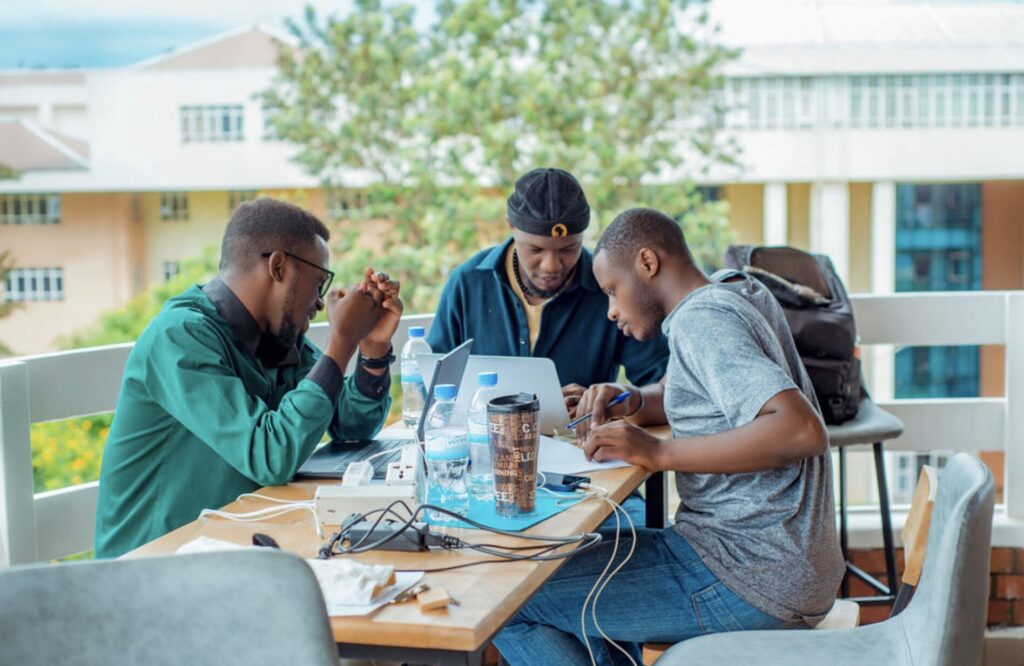
Uplifting and inspiring the next generation of space explorers, researchers, and dreamers is a core part of our mission.