



TheSpringInstitute

Project SCAMPI

Project

Highlights

    Overview

    Here's what the SCAMPI Project is all about.

    • Closed Aquatic Ecosystem

      We are investigating not just one plant or animal, but a whole ecosystem of algae, microbes, and shrimp to understand how the space environment impacts communities.

    • On International Space Station

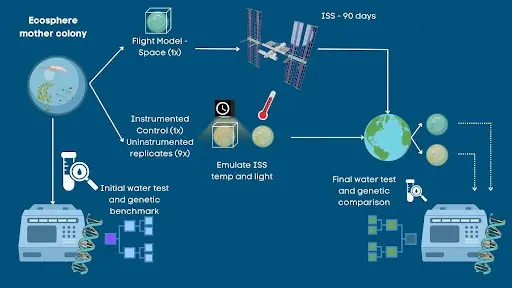
      Our payload will be hosted on the ISS for 90 days and then returned to Earth for analysis. It will be completely autonomous and require no astronaut time.

    • Genetic Analyses

      To determine the effect of microgravity on this aquatic ecosystem, we will conduct a number of rigorous tests to determine individual and community responses to space stressors.

    • Supported by ESA

      This mission is conducted under ESA Academy - ESA's overarching educational programme. Thanks for the support!

    Introduction

    Humans have only made it as far as the moon. To successfully explore the infinite vastness of space, we are in need of systems that can sustain human life for long durations.

    Our ability to conduct sustainable space travel has been constrained by two things: current dependence on physicochemical life support technologies and need for regular resupply of consumables.

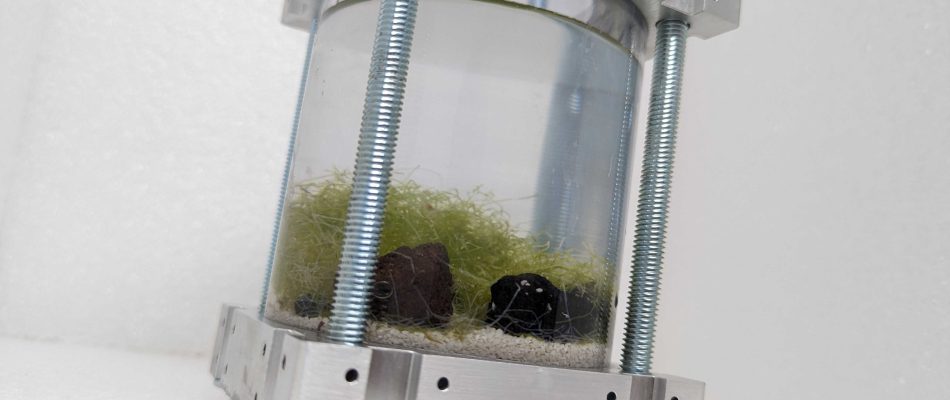
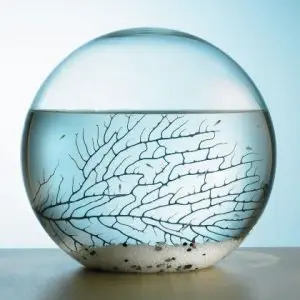
    Our best solution lies in closed-loop, bioregenerative life support systems (BLSS) which are essential to reduce logistical demand and ensure mission autonomy. Luckily, we don’t have to start with a blank page. Earth contains the perfect blueprint for BLSS in the form of closed ecological systems. These closed ecological systems provide a validated framework for BLSS to integrate life-sustaining processes from water recycling to food production. Specifically, SCAMPI has been modelled after the closed ecological system known as the ecosphere.

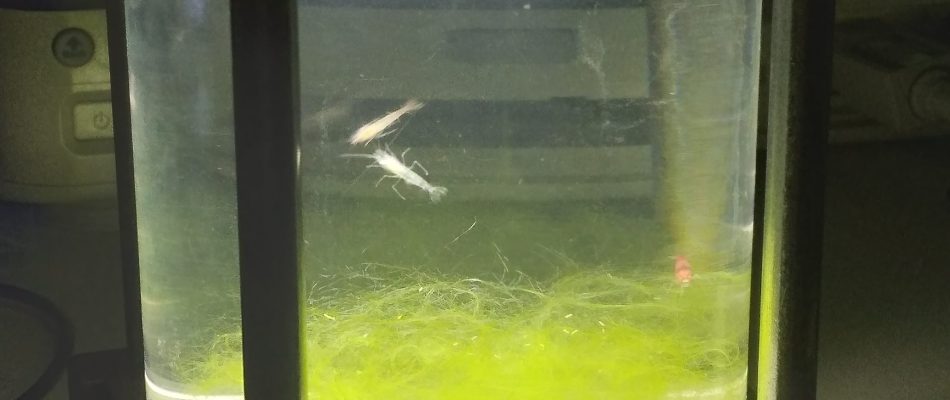
    Example of an Ecosphere

    Objectives

    SCAMPI, like the shrimp that inhabit the payload, is small but extraordinarily mighty. While our long-term goals would be to successfully sustain human life in space with BLSS, we are grounded in two specific objectives for this particular mission: determine the survivability of the ecosphere in space and  examine the influence of space conditions on a multilevel ecological system.

    To accomplish this, the payload will be housed in the ICE Cube Facilities of the ISS for 90 days, after which it will be recovered and preserved at –80 °C for subsequent analyses.

    Experimental Design of SCAMPI

    SCAMPI Payload

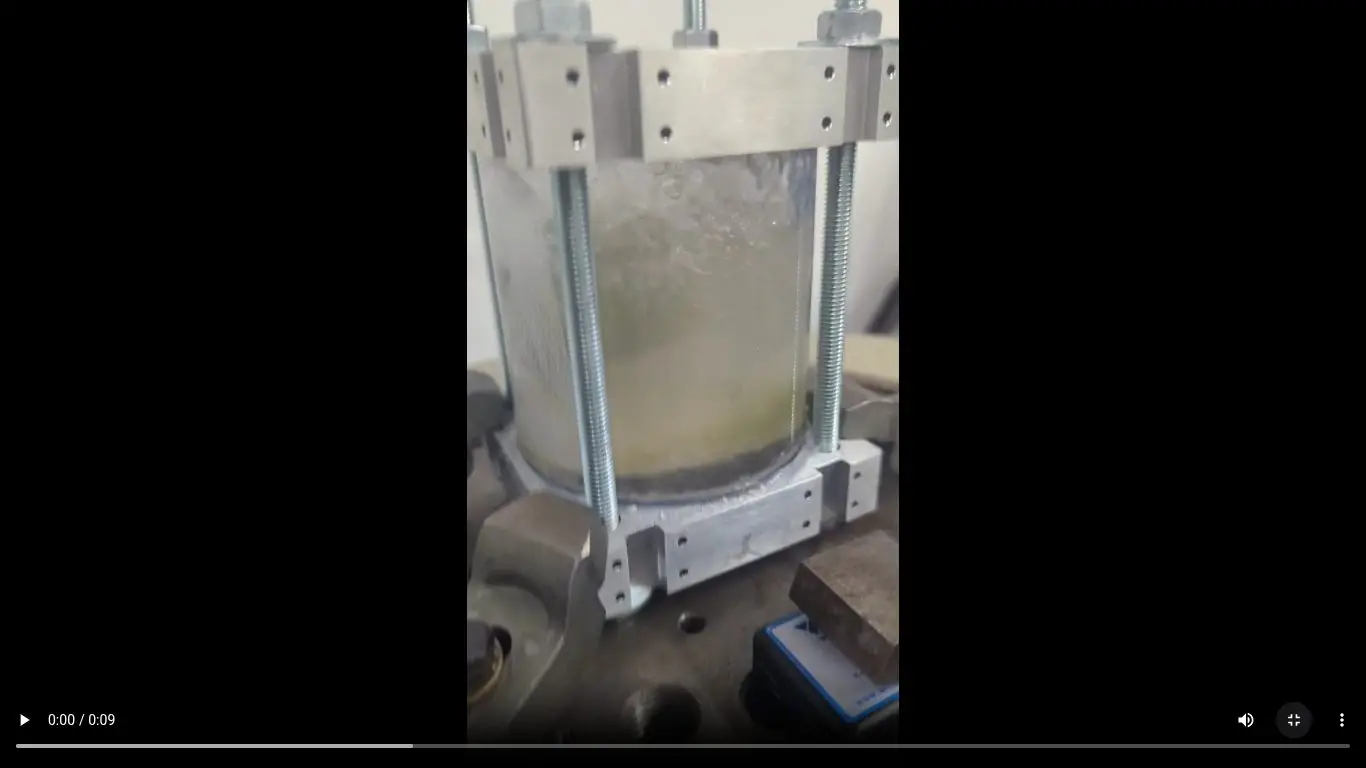
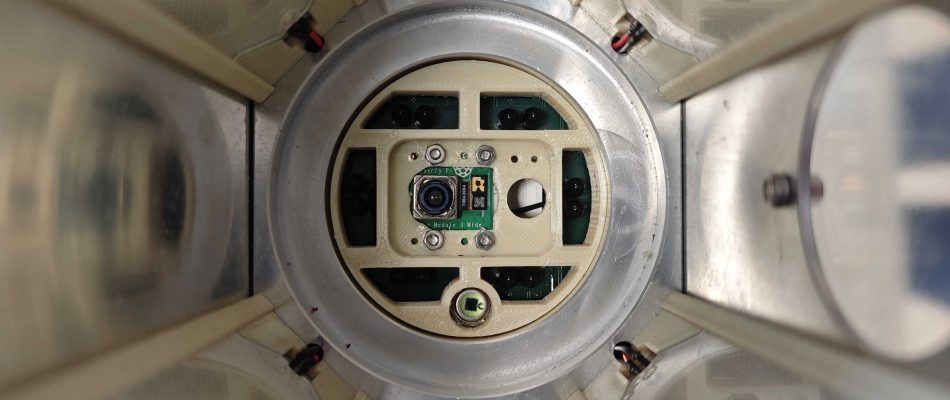
    SCAMPI’s custom payload consists of an aquarium and an instrumentation suite that is completely autonomous. This means ISS astronauts can sit back and let our instrumentation collect all the data.

    We’ve chosen an aquatic ecosystem because aquatic organisms are generally more efficient (than terrestrial ones) in terms of the life-sustaining capabilities we expect BLSS to have. Specifically, shrimp, algae, and microbial life will embark on the mission into space.

    Shrimp


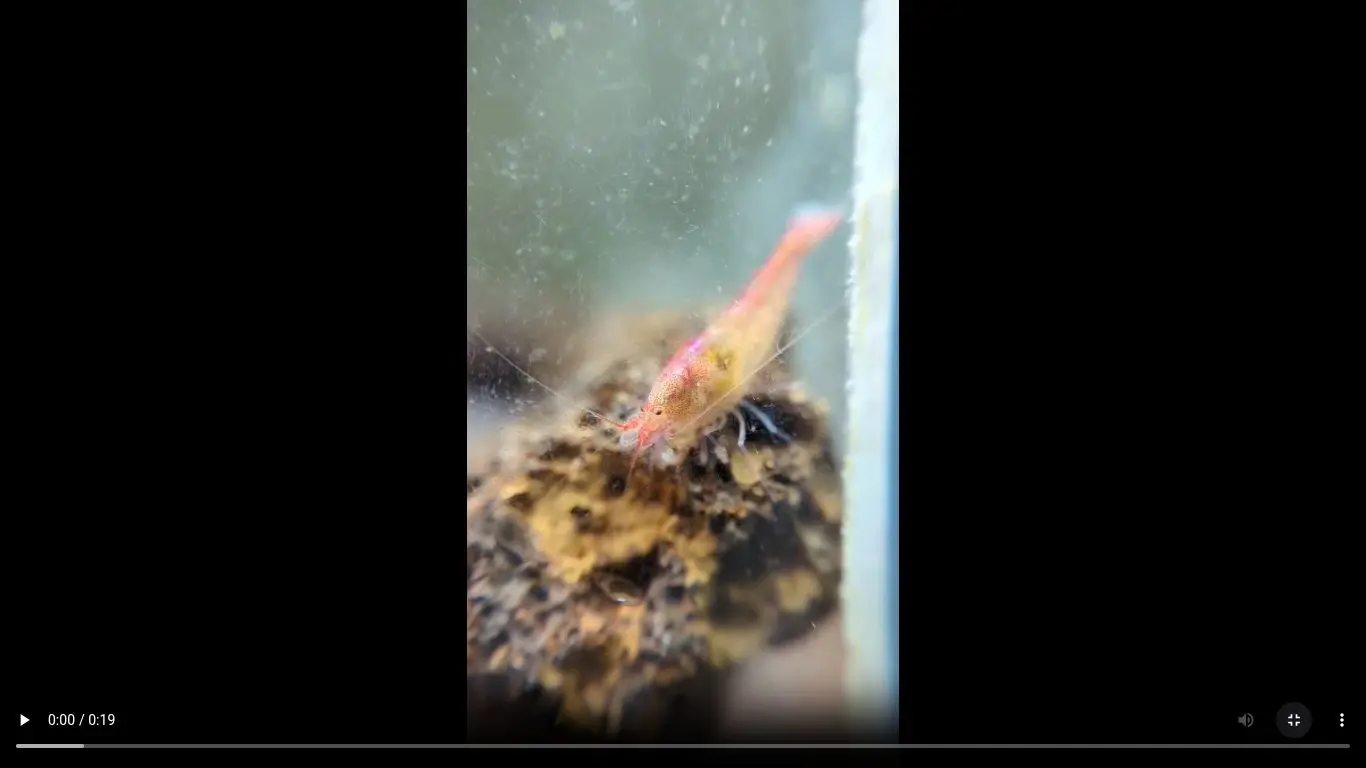
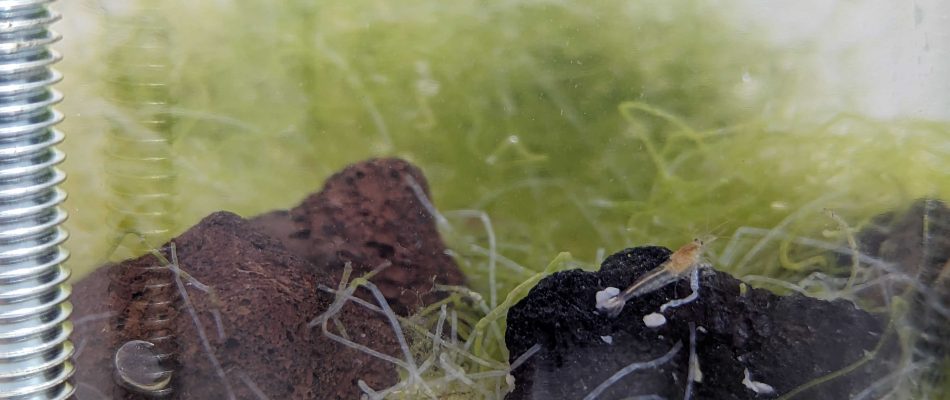
    Three small but mighty Halocaridina rubra shrimp will serve as consumers in this ecosystem.

    Macroalgae

    Feeding our lovely shrimp is the macroalgae species Chaetomorpha capillaris.

    Uncharacterized Population

    And rounding out the crew, 16 million uncategorized microbial life which function as both producers and decomposers.
    Previous Advancements

    Great advancements have already been made in understanding BLSS. Our SCAMPI project stands on the shoulders of the MELiSSA project which has successfully demonstrated the recycling functions of BLSS on Earth and in space. 

    Previous biological experiments in microgravity have examined various types of organisms individually such as bacteria, worms, fungi, algae, and other species to characterize their response to stress generated by various space conditions (microgravity, ionizing radiation, vacuum, etc.). We are working to extend these experiments by investigating not just one organism, but multiple organisms across varying trophic levels in the ecosphere.

    PXL_20230615_185734599
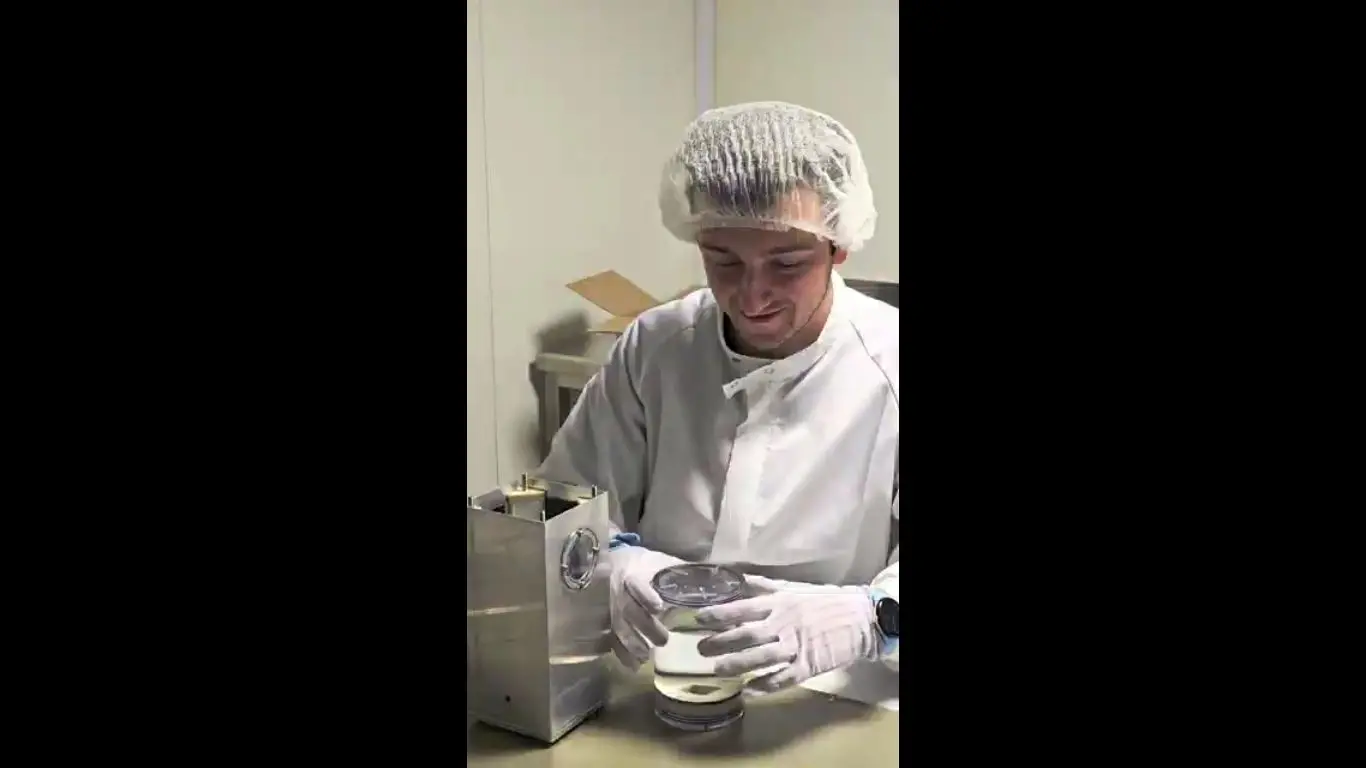
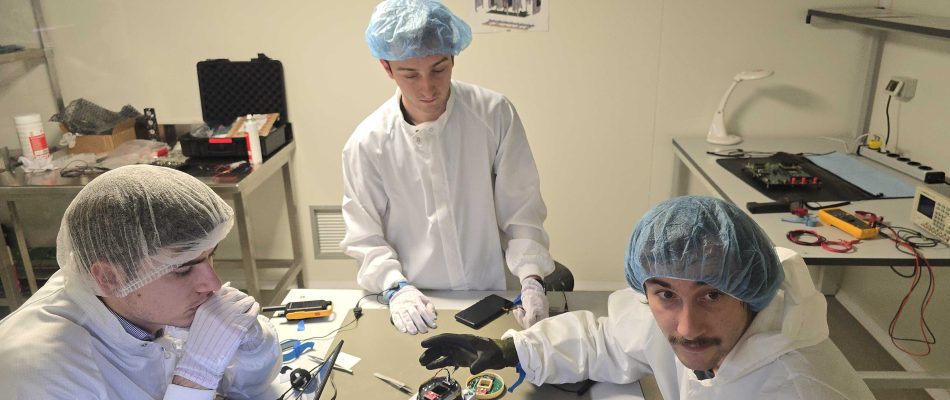
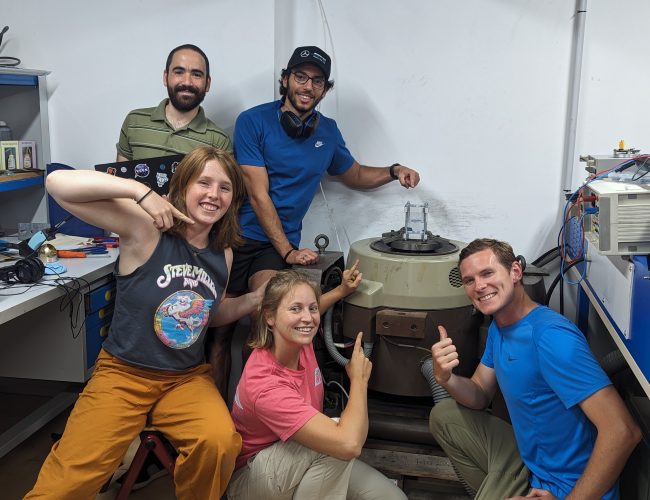
    SCAMPI team working on a prototype
    IMG_20260115_123612_945
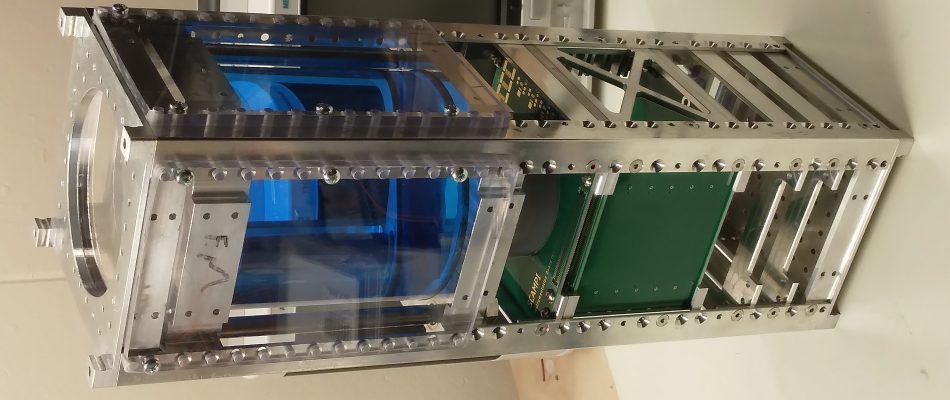
    Exploded View of SCAMPI Module

    Purpose of SCAMPI’s Data

    With SCAMPI’s data, we’ll be able to construct a model of nutrient cycling to develop better BLSS that can sustain life in space for longer durations. Several secondary questions will also be investigated, including sloshing modes in the Ecosphere, changes in the microbial communities, and how the space environment affects the abiotic parameters of the ecosystem. The answers to these questions will advance not only space research, but also nature conservation efforts on Earth.

    Future Applications

    We hope to develop several compact self-contained satellites with similar ecosystems as biological payloads. Their future iterations would feed astronauts on long-term space missions, enabling exploration into previously inaccessible parts of our universe.

    Alongside the technical applicability of SCAMPI, we hope to inspire the general public, especially younger generations, to reconsider the value of life as they witness a fully-functioning ecosystem surviving in space. SCAMPI may be just a few shrimp and some algae, but it has the potential to lead a generation of space explorers, and perhaps more importantly, emphasize the importance of conserving life here on Earth.

    The SCAMPI Team

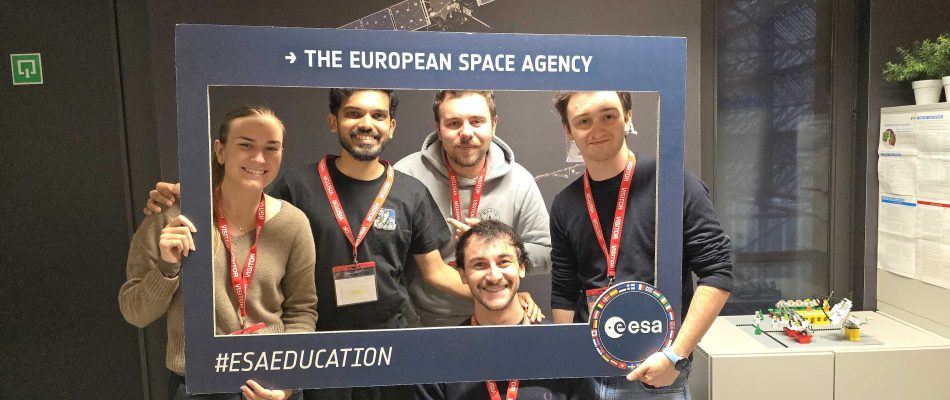
    It takes a lot of passionate people to pull off a space mission.

    • SCAMPI Mascot
    • Tarun Bandemegala Principal Investigator
    • Patrick Grove Science Lead
    • Georgina Riu Puche Systems Engineering Lead
    • Edoardo Vacchetto Electronics Lead
    • Álvaro Ropero Bioinformatician
    • Lawrence Warnock Biologist
    • Arthur Verbert Mechanical Engineer
    • Diego Araujo Mechanical Engineer
    • Mariem Chokki Mechanical Engineer
    • Damiano Carra Mechanical Engineer
    • Ziyaad Mohamed Marcastel Systems Engineer
    • Daniel Cazacu Network Engineer
    • Stefano Giulianelli Role
    • Tarek Ben Slimane Project Consultant

    Retired Team Members

    Jordan Carrico | Lead Engineer

    Raphaelle Davy | Sensor Engineer

    Joules Loupy | Engineer

    Yasser Moumtaz | Themeral Engineer

    Constanza Torchia | Biology

    Guillaume Soulier | Software Engineer

    Samuel Evain | Thermal Engineer

    Mathis Buriasco | Thermal Engineer


    Thomas Jegat | Software Engineer

    Viren Ollivier | Engineering

    Alexis Ruel | Engineering

    Quentin Chevalier | Engineering


    Aïcha van Veen | Test Engineer

    Louis Sylvestre | Electrical Engineer

    Pietro Menichelli | Mechanical Engineer

    Benjamin Ponty | Software Engineer

    Gallery

    SCAMPI Playlist

    Timeline

    December 2022
    SCAMPI Proposal Submitted

    May 2023
    Shrimp Colony Established

    March 2024
    Preliminary Design Review

    July 2024
    Critical Design Review

    January 2025
    First Qualification Campaign

    (Failed, let's try again!)

    November 2026
    Planned Launch